Monday, 1 February 2016

JAVA TEA (Orthosiphon stamineus)

JAVA TEA - VERY USEFUL HERB FOR KIDNEY STONES

Java tea
Orthosiphon stamineus (0. aristata) Lamiaceae/Labiatae

This attractive shrub from Southeast Asia can grow to a height if almost 1m. It has irregular, indented leaves, which grow in pairs opposite one another. A distinctive feature if the plant is the white or lilac flowers with wispy stamens that extend 2cm beyond the petals. They are known as cats' whiskers.

PARTS USED

  • Leaves and flowers
  • The leaves and the flowers are harvested at the beginning of the flowering period, then dried and broken into fragments.
  • The plant is used to make infusions, powder capsules and extracts.
  • Indonesia is the principal exporter of Java tea.

CONSTITUENTS

The most significant compounds in Java tea are polyphenols and, in particular, flavonoids, among which is sinensetin. Very small quantities of essential oil have been detected and Java tea also contains a large amount of potassium.

MEDICINAL USES

Java tea is believed to be beneficial in the treatment of gout, rheumatism, and renal and urinary infections. Human experiments in 1998 showed that Java tea has a mild diuretic effect and can increase the excretion of urea and uric acid. A Thai study in 2001, involving patients suffering from kidney stones, found that a daily dose of Java tea infusionwas as effective as conventional drugs and it avoided some of the side effects. An increase in excretion of calcium and uric acid in the urine was observed.

Another study showed that certain terpenic compounds extracted from the leaves of Java tea inhibited the proliferation of cancer cells.Java tea's diuretic and bilestimulating effects mean that it is often used to complement slimming diets. Another traditional use is in the treatment of diabetes

CAUTIONS

No adverse side effects have been recorded when the plant is used in therapeutic doses.

It is not recommended for pregnant or breastfeeding women.

PREPARATION AND DOSAGE

For internal use

TO TREAT bile disorders, kidney stones and gallstones INFUSION Put 5g into 1 litre of boiling water. Leave to infuse for 5 minutes. Drink 1-3 cups a day, the last one several hours before going to bed. CAPSULES (150mg dried aqueous extract or 325mg powder) Take 2 capsules with a large glass of water three times a day at mealtimes.

CULTIVATION : Plant in well-drained soil in a sunny or lightly shaded location.


Friday, 6 November 2015

Organic kudampuli (Indian garcinia)

We are the manufacture  of  kudampuli (Indian garcinia), Kudampuli is a moderate-sized, evergreen tree and the flowers are unisexual, sessile and axillary. The leaves are dark green, shining, elliptic to obviate. It bears sweet-sour mixed fruits native to SE Asia and India. The fruit may resemble a small yellow or reddish pumpkin, or it may have a unique purple colour. The fruit of Garcinia cambogia has been traditionally used in food preparation and cooking, having a distinctive taste. Garcinia has garnered a lot of attention of late as a popular natural weight loss aid. The reason is that the rind of this pumpkin like fruit is rich in a substance called hydroxycitric acid / HCA.  Aside from its use in food preparation and preservation, extracts of G. cambogia are sometimes used in traditional medicine as purgatives. Kudampuli is known for its medicinal values in Ayurveda. It helps to promote digestion, and a decoction (kashayam) made out of it is used against Arthritis and some uterine deceases. It is also known to cure ulcers. The root of Kudampuli can be used quire the swelling the whole body due to viper bite.

Kudampuli is found to have astringent, antioxidant, anticatarrhal, demulcent, thermogenic, cardiotonic and anti-cancer properties. It is effective against rheumatism, piles, bilious affections, edema, intestinal parasites, constipation and delayed menstruation.
Kudampuli extract is found to increase the mucosal defensive mechanisms in stomach and thereby it is helpful as a protective agent against gastric ulcers. A study has shown that a supplement extract of kudampuli is helpful in reducing both the volume and acidity of gastric juice. Further, its use showed promotion of defensive factors on gastric mucosa.
More recently, it has been proved that kudampuli has a hepato-protective ability against external toxins, such as alcohol. A recent study showed that its use prevented liver cells from becoming fibrotic and stopped cell damage caused by high blood lipid levels.


www.akilexports.in

How does Kudampuli help in weight loss?
The science behind Kudampuli promoting loss of weight is simple. See how it works:

  • Suppresses hunger naturally: We all know that overeating leads of unwanted weight gain. Kudampuli helps in suppressing your appetite and thus, you feel less hungry throughout the day. Your metabolism too is improved.
  • Controls blood sugar level: The extracts of Garcinia Cambodia help to control blood sugar levels. When your appetite is suppressed, not only are you less prone to consume increased amounts of carbohydrates, you are also saved from a spike in blood sugar levels and deposit of fats in your body. It also blocks the enzyme- citrate lyase, which is responsible for the conversion of carbohydrate into sugar and fat.
  • Promotes strong digestive system: Kudampuli protects you from colic pain and irregular movement of bowels. When consumed regularly, Kudampuli tends to strengthen your digestive system and prevents acidity. Your immunity power is also boosted.

Friday, 2 October 2015

Capsicum

We are one of leading manufacturers and suppliers of Capsicum. We manufacturing RED, YELLOW, GREEN Capsicum. Capsicum Processed under the skilled team of professionals, these products strictly follow the international food standards. Additionally, the entire processes are executed in strict adherence with the industry standards and norms. We can give delivery at any quantity. Each weighs about 120gms.

Highlights:

Wednesday, 29 July 2015

NEEM SEED

NEEM SEED


We are one of leading suppliers and manufacturers of Neem Seeds. These seeds are source from the renowned farmers of the agricultural industry. Processed under the skilled team of professionals, these products strictly follow the international food standards. Additionally, the entire processes are executed in strict adherence with the industry standards and norms.

Highlights:

  • Available at reasonable prices
  • Required in pharmaceutical industry
  • Used in fertilisers and pesticides
  • Highly effective


Monday, 20 July 2015

Tephrosia purpurea


Botanical Name  : Tephrosia purpurea


Tephrosia purpurea a common weed belongs to family fabaceae is used in Indian system of medicine. Tephrosia is used in liver cirrhosis, splenomegaly, skin diseases, abdominal disorders, dental problems. It possesses antidotal, bactericidal, wound healing and haemostatic. Additionally it acts as a liver stimulant for better bile secretion and possesses parasiticidal properties.

Asparagus racemosus


Botanical Name         : Asparagus racemosus
Family                         : Asparagaceae
Local names               : Satavari

Asparagus racemosus generally known as ‘Satavari’ which means that cures hundred diseases. The root of Satavari is used in the form of juice, paste, decoction and powder to treat intrinsic haemorrhage, diarrhoea, piles, hoarseness of voice, cough, arthritis, poisoning, diseases of female genital tract, erysipelas, fever, as aphrodisiac and as rejuvinative.

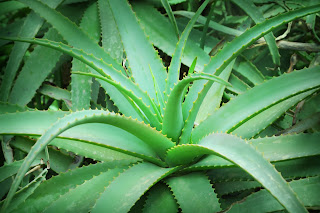
Aloa Vera

Botanical Name         : Aloe vera                                                              
Family                         : Liliaceae
Local names               : Aloe, Barbados Aloe, Curacao Aloe


Aloe vera a popular houseplant generally known as ‘Kumari’ (Sanskrit) that used in Indian system of medicine with history of multipurpose remedies. In general leaves are known to be used in cosmetics, the leaves and root of Kumari is used in form of juice to treat spleen enlargement, epilepsy, penile wart, dysuria, inflammation in penis, abscess, jaundice, gulma, mastitis, headache and amenorrhoea.